PD Dr.
Adham Elsayed
Treatment should begin with understanding what is really necessary.
Esthetic dentistry is not about changing every tooth. It begins with understanding your concerns, your expectations, your smile, your existing teeth and the biological and functional situation. From there, different treatment possibilities can be evaluated together; including what should be treated and what can remain completely untouched.
As an academic researcher, I have investigated restorative materials, implant-abutment concepts and adhesive dentistry, looking for evidence that could help us treat patients more conservatively without compromising reliability. As a university lecturer, I am proud to teach generations of dentists on how to apply the science to get the best results for their patients.
Today, after 24 publications, a Habilitation and over 10-year clinical success of modern techniques, I can confidently make this statement: Improving the appearance of a smile does not have to cost sound tooth structure. What decides the result is biological and mechanical: adhesion, the tooth structure that remains, the load it carries and the material chosen for it. These can be planned, measured and taught.
The aim is not simply to do less. It is to do what is appropriate, and no more than necessary. And to keep a long-term success with proper prevention and follow-ups.
My clinical work is closely connected with my academic work in Germany, research in implants and prosthodontics, and university teaching. This combination helps me evaluate treatment not only from an esthetic perspective, but also from the perspectives of biology, materials, adhesion and long-term restorative planning.
The treatment was terrific. Dr. Elsayed has a lot of knowledge which he puts very well into practice, in addition to his kind personality. I felt in good hands at all times. I am overjoyed with my smile makeover. With his work he gave me a new feeling for life.
Patient in Germany · Thyra Schlimmermann · Fotografin und WebdesignerinPrinciple
A Smile that belongs to You!
No two patients have exactly the same starting point, expectations or priorities. Treatment therefore should not begin with a predetermined procedure, but rather with your priorities and a clinical assessment. We then look at the whole picture; the face, the smile line, function and the condition of every tooth, before choosing between the available options.
The objective is not to begin with a preferred technique, but to identify the solution that appropriately balances esthetics, function, biology, preservation and your own expectations. We discuss the options, their limitations, the number of appointments and ongoing care before deciding how to proceed.
Depending on the situation, treatment may involve anything from no treatment at all to small additive changes, adhesive restorations, veneers or more comprehensive restorative treatment.
Therefore, the best treatment is sometimes no treatment at all. Where treatment is not indicated, monitoring or no intervention may be the appropriate choice.
This section describes a treatment philosophy. It does not promise no preparation, suitability for a particular procedure, or a specific lifespan.
Areas of clinical focus
Where a specialist changes the outcome
Veneers and smile design
Smile design begins with your face, not with a template: tooth position, proportions, the smile line and function are planned together, and the result is shown to you before treatment begins. Preparation is kept conservative wherever the clinical situation allows
Complex restorative cases
Complex cases may benefit from a second opinion or coordinated care. I review the diagnosis, treatment options and the roles of the clinicians involved.
All-ceramic restorations
Material chosen by indication, not by habit. Ceramic restorations selected according to clinical requirements, esthetic priorities and material characteristics.
Adhesive tooth replacement
A missing tooth replaced without an implant and without touching the neighbouring teeth, where the situation allows it. Systematic-review data report survival of bonded ceramic single-retainer bridges of up to 10 to 15 years in suitable anterior cases, with fewer complications than two-retainer designs.1
Full-mouth rehabilitations
Assessing tooth wear and planning restorative care around function and the remaining tooth structure.
Implant prosthodontics
The aim is not to place implants, but to restore missing teeth. With backward planning from the prosthodontic result, esthetic and functional success follows.
1. Alqutaibi et al., Journal of Esthetic and Restorative Dentistry 2024, systematic review and meta-analysis. doi:10.1111/jerd.13238
A journey, not just a treatment
Your path, step by step
Clinical documentation
Selected Clinical Cases
Written patient consents are currently being updated. Selected clinical cases will be published here soon.
For dental colleagues
Three ways to work together
Discuss a Referral
Discuss a case that would benefit from advanced prosthodontic input. We agree on the clinical scope and follow-up before treatment. The case is treated and returned to you, with the documentation and the plan.
Explore Clinical Collaboration
Part-time, locum and case-based visiting-consultant opportunities, internationally. Contact me with your practice location, clinical requirements and proposed dates so we can assess fit and local requirements.
Train with me
Join a hands-on or live-treatment course, or discuss a programme built around the cases and decisions your team encounters. Courses teach the complete workflow, from the first smile design to the final adhesive luting, in a form you can apply directly in your own practice.
Referrals and flexible clinical collaboration
I welcome referrals and enquiries about part-time, locum and case-based consultant work in esthetic and restorative dentistry. Tell me about your practice, the clinical need and proposed dates. Location, registration requirements, responsibilities and follow-up are agreed before any appointment.
Where I treat
I treat in my own private practice and, by arrangement, as a visiting consultant in partner practices in Europe and the Middle East and Africa. Through this network, follow-up care can usually be arranged close to where you live. International patients are welcome to enquire about treatment
Insights
Clinical insights for Patients and Dental Professionals
For patients: clear explanations of treatment choices and what to expect. For dental professionals: evidence-led discussion of clinical decisions, materials and protocols.
Testimonials
Patient, Participant and Colleague Perspectives
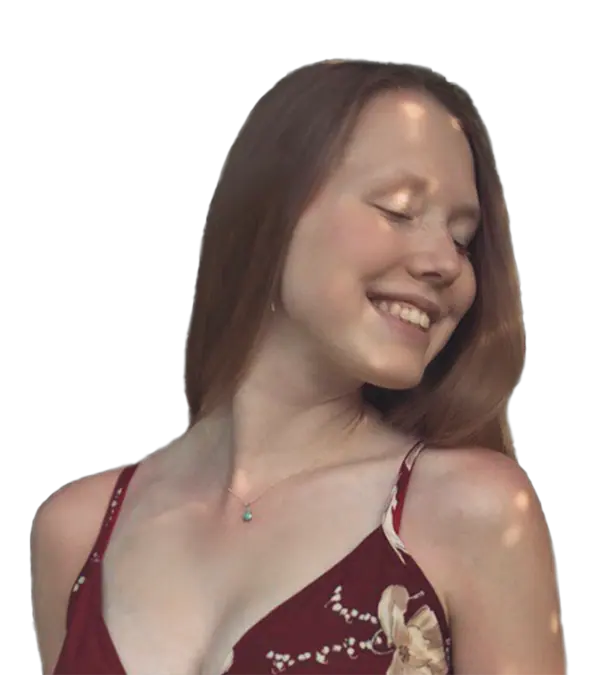
Patient in Germany
“The treatment was terrific. Dr. Elsayed has a lot of knowledge which he puts very well into practice, in addition to his kind personality. I felt in good hands at all times. I am overjoyed with my smile makeover. With his work he gave me a new feeling for life.”
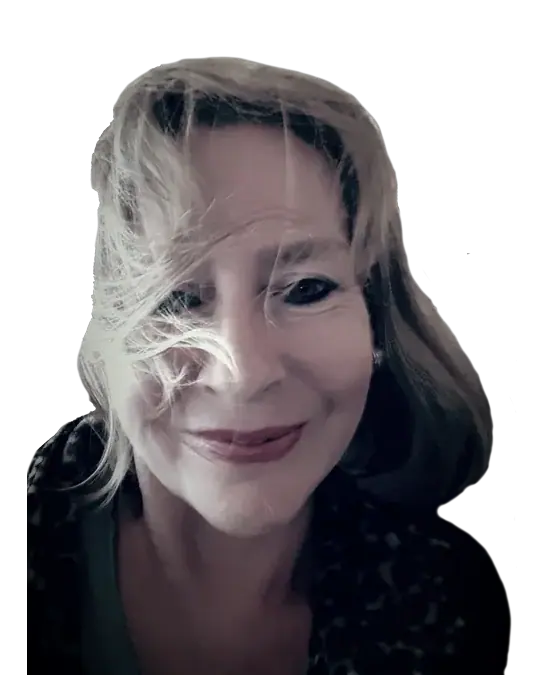
Patient in Germany
“In 2017 I received an adhesive bridge by Dr. Elsayed. I was surprised by his self-confidence and brilliant way of operation at his young age. He treated me with empathy, patience and understanding for the fears and worries of the person “on the other side of the dental chair”. The adhesive bridge is still in best condition and feels like my own real tooth. I regret that he left Kiel and I can only say: Thank you very much and all the best for your future!”
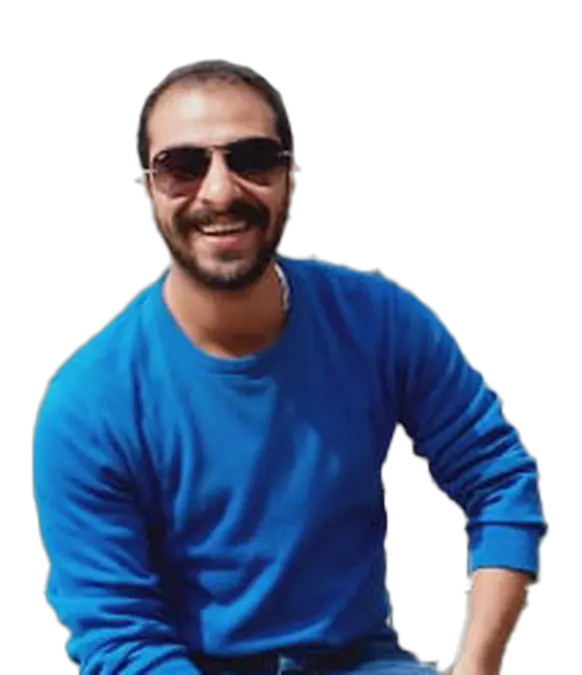
Patient in Egypt
“Dear Dr. Adham, I want you to know that my smile is brighter than ever and wider than I thought possible. I wouldn’t be writing this if it weren’t for you. You can’t imagine how much you’ve changed my view of life. So, thank you!”
Start a conversation
What would you like to discuss?
Whether you are seeking treatment, planning an educational programme, exploring a research collaboration or discussing a scientific project, choose the route that best fits your enquiry. Tell me what you need and I will tell you honestly whether I am the right person for it.
Let’s discuss what you need
If you are considering esthetic or restorative treatment, the first step is a conversation. Tell me your concerns and expectations, and I will tell you honestly what is appropriate in your situation — including when no treatment is the better answer.